Ephemeral Odyssey Issue 21
Dive into Friedrich Nietzsche’s inaugural work, ‘The Birth of Tragedy.’ Explore its revolutionary themes, impact on philosophy, and enduring influence in modern culture.

Table of Contents:
The Birth of Tragedy: Nietzsche’s Exploration of Greek Culture and Philosophy
Book Of The Week
Film Of The Week
Ephemeral Odyssey is a reader-supported publication. support my work consider becoming a free or paid subscriber. You can also support me through Ko-fi. Thank you.


The Birth of Tragedy: Nietzsche’s Exploration of Greek Culture and Philosophy
Friedrich Nietzsche’s ‘The Birth of Tragedy’ occupies a notable place on my shelf. This book was Nietzsche’s first, demonstrating his deep love for classical culture and his critical examination of conventional values. By trade, Nietzsche was a Philologist focusing on Greek cultural studies; this informed his philosophy, leading to the creation of this and his other influential books. This article aims to unpack ‘The Birth of Tragedy,’ examining its roots, key themes, and lasting influence on philosophy and art.
Friedrich Nietzsche’s early academic career focused on his work in the classics. He was a philologist, studying language in written historical sources. This pursuit influenced his philosophical trajectory. Against this backdrop, ‘The Birth of Tragedy’ was born and first published in 1872.
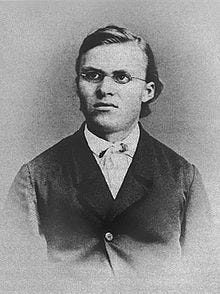
At its publication, the work diverged from the prevalent academic norms. Nietzsche’s approach in ‘The Birth of Tragedy’ was unconventional: a fusion of philosophical ideas with literary and cultural criticism, presented in a style unfamiliar to the academic circles of his time. This deviation caused a stir among his peers, who offered a mixed reception. While some praised Nietzsche’s approach as innovative and bold, others were critical of his departure from tradition.
The polarized response to ‘The Birth of Tragedy’ indicates the groundbreaking nature of Nietzsche’s ideas. His willingness to challenge established paradigms through this work marked the beginning of his journey as the philosopher who dared to question the foundations of Western thought and culture.
The Apollonian and Dionysian Dichotomy
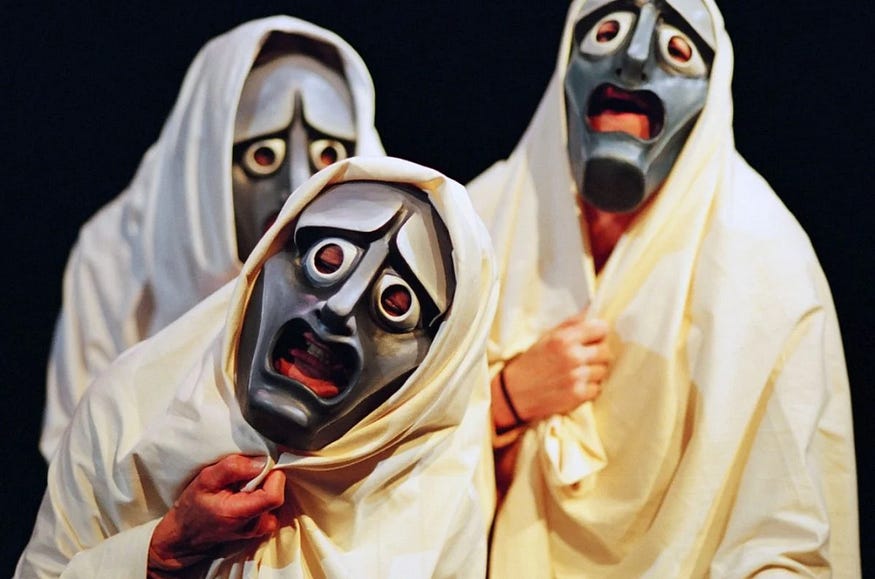
Central to Nietzsche’s ‘The Birth of Tragedy’ is the Apollonian and Dionysian dichotomy. This conceptual pair plunges deep into the core of human existence and artistic expression, presenting a new interpretation of Greek tragedy and its implications for broader cultural understanding.
